
Houseplants are a vital aesthetic element that adds vitality to our living spaces, but maintaining their health and vitality requires a precise understanding of their needs, the most important of which is fertilization and the best fertilizer for houseplants. Therefore, this comprehensive article aims to provide a detailed guide that explains the importance of indoor fertilization, presents the different types of fertilizers, whether chemical or natural, what is the best fertilizer for houseplants, and concludes with basic tips for using fertilizer in a correct and safe way.
The importance of fertilization in the indoor environment
Composting is a natural process that transforms organic waste, such as food scraps and leaves, into a rich and beneficial soil substance called compost or organic fertilizer. This process can be done at home to make the best fertilizer for houseplants.
1. Reducing the volume of household waste, as organic waste constitutes approximately 30-50% of total household waste, while composting transforms this waste from a source of pollution into a useful resource.
2. By reducing the amount of waste sent to landfills, you directly contribute to reducing methane emissions and reducing your family's carbon footprint.
3. The resulting compost is black gold for gardeners as it feeds your houseplants and small garden in a natural way, saving the cost of buying fertilizers and soil.
4. Compost not only nourishes the plant but also improves soil structure and helps it retain moisture, and encourages the growth of beneficial microorganisms, making your plants stronger and more resistant to disease.
5. When you throw food scraps into a regular trash can, they rot quickly and emit unpleasant odors, whereas in a compost bin they decompose properly, greatly reducing odors, especially if you use a closed system.
Types of fertilizers suitable for houseplants
To find the best fertilizer for houseplants, you should know all the types of fertilizers suitable for them. Here are all the types of fertilizers suitable for houseplants:
Classification of fertilizers by form and composition
1. Liquid fertilizers It is mixed with irrigation water and quickly absorbed by plant roots. It is characterized by its rapid effect because the plant absorbs it directly, and it is easy to apply and control the dosage. In addition, it is ideal for rapid vegetative growth.
2. Water-soluble fertilizers come in the form of powders or crystals that dissolve in water and are characterized by a high concentration, making them economical.
3. Granular fertilizers It is slow-release and is mixed with the soil, releasing nutrients gradually over time with each irrigation, and is characterized by providing continuous nutrition for 3 to 9 months.
4. Stick or tablet fertilizers are placed in the soil near the roots and dissolve slowly with watering. They are very easy to use and do not cause a mess.
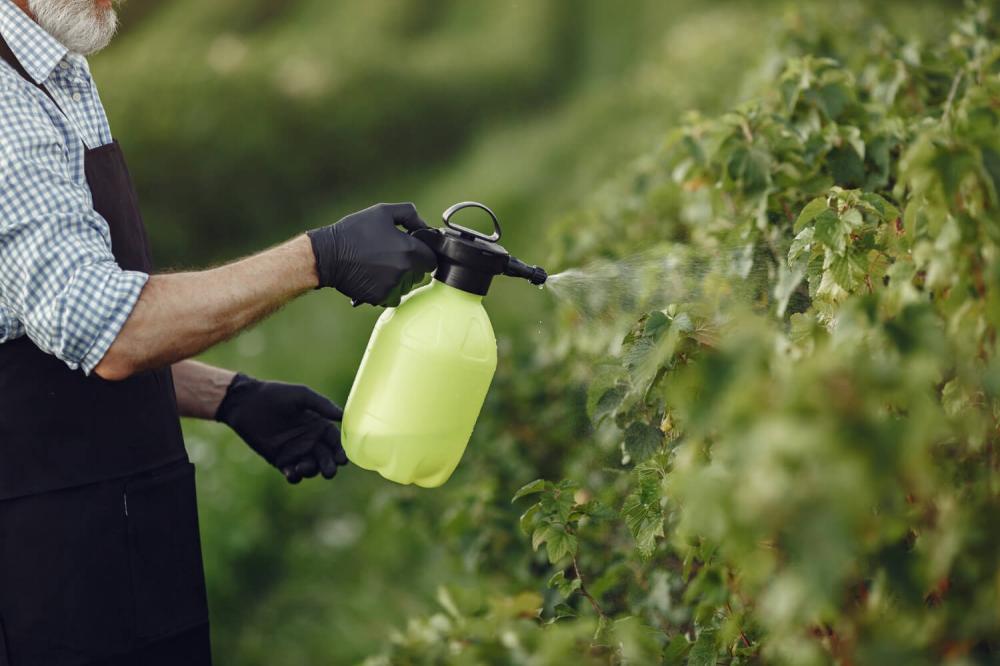
5. Foliar fertilizers are sprayed directly onto the plant's leaves, where they are absorbed by the pores and are characterized by immediate and very rapid absorption, thus making them ideal for quickly treating nutrient deficiencies.
Fertilizer classification by source
1. The best natural fertilizer for houseplants is a fertilizer derived from natural sources that improves soil health in the long term, in addition to nourishing the plant. It is characterized by improving soil structure and fertility, releasing nutrients slowly, and is environmentally friendly.
2. Chemical or manufactured fertilizers: These are industrially produced fertilizers, and their nutrients are in a form that is easily absorbed by the plant immediately, thus providing quick and direct results. Their concentration is precise and easy to control in terms of dosage.
organic fertilizers
Organic fertilizers not only nourish your plant, but also improve long-term soil health by encouraging beneficial microorganisms and improving soil structure. They are generally safe and do not cause root burns if used in moderation. Some of the best natural fertilizers for houseplants are compost, banana peels, and tea compost.
The appropriate chemical fertilizers according to the type of plant
Plant type
- For leafy plants such as pothos and ivy , a 1 kg pack of soluble urea fertilizer rich in nitrogen (N) is used to encourage the growth of dense green leaves.
- Flowering plants such as geraniums and roses use a phosphorus-rich fertilizer (P) to encourage bud and flower formation, such as the flowering and fruit set stimulant from Al-Talib Store.
- For cacti and succulents, a specialized fertilizer is used that is low in nitrogen, such as Nitrotas 5-0-60 high potassium suspension from Al-Talib Store.
- For fruit trees and fruit-bearing plants inside the house, such as tomatoes, peppers, and lemons, a balanced fertilizer such as NPK 20-20-20 compound fertilizer, 25 kg bags, is used to support fruit formation.
Tips for using fertilizer correctly
Here are some basic tips for using the best types of fertilizer for houseplants, in a correct and safe way for healthier and more vibrant houseplants, while avoiding common mistakes that may harm them:
- Read the instructions carefully, then dilute the dose and use half the recommended dose or the diluted dose, which reduces the risk of root burns from over-fertilization, one of the most common causes of houseplant death.
- When the light is weak and the temperatures are low, most plants enter a dormant state, and therefore will not absorb the fertilizer, which leads to the accumulation of salts in the soil and stress on the roots. Therefore, it is advisable to stop fertilizing completely.
Fertilizer is not medicine, and a tired plant is unable to absorb nutrients. Fertilizer may worsen the situation and burn its weak roots.
- Water your plant well the day before adding liquid fertilizer because dry soil absorbs concentrated fertilizer quickly, causing shock to the roots and burning them, while moist soil transports the fertilizer in a diluted and safe manner.
It is recommended to fertilize the plant with diluted doses more frequently than to use a concentrated dose once.
- Avoid fertilizing at midday, as fertilizers may react with the intense heat and direct sunlight, which can harm the plant.
- After purchasing a new plant or transferring it to a larger pot, wait 4 to 6 weeks before fertilizing it, as it usually contains enough nutrients for an initial period.
- Allow water to pass through the soil and out of the drainage hole in a generous amount every few months. This helps to wash away excess salts accumulated from fertilizers that may harm the roots.
Use high-nitrogen fertilizers for leafy plants , high-phosphorus fertilizers for flowering plants , and diluted, specialized fertilizers for cacti, as each plant has different nutritional needs. Customization yields the best results.
Use potassium sulfate fertilizer , which plays an important role in providing sulfur and potassium. These elements are important in increasing plant resistance and improving the processes of opening and closing stomata, which in turn contribute to the transfer of manufactured sugar compounds that are stored in the fruits.
Inquire today via Send a WhatsApp message about the ideal type of fertilizer for your plants and our expert team will provide you with full support.
Conclusion
By choosing the best fertilizer for houseplants and applying the correct fertilization techniques, you can transform your home into a green oasis full of life. Whether you choose natural, eco-friendly fertilizers or quick, ready-made options, the key lies in understanding and responding to your plants' needs. You can contact Al-Talib and start trying the best types of fertilizer for houseplants, and you will notice the big difference in the growth and flowering of your plants.
Frequently Asked Questions
What is the difference between granular fertilizers and liquid fertilizers?
Liquid fertilizers are mixed with irrigation water and are quickly absorbed by plant roots. They are characterized by their rapid effect because the plant absorbs them directly. Granulated fertilizers, on the other hand, are in the form of powder or crystals that dissolve in water and are characterized by a high concentration, making them economical.
How often should houseplants be fertilized?
It is recommended to fertilize houseplants every 2 to 4 weeks during the spring and summer growing season, and reduce fertilization in winter when the plants enter a dormant state.
Can chemical fertilizers be used for houseplants?
It can be used in very limited quantities and in a diluted form, as it provides quick results.